Featured Models
Top DPVs for Every Level
Direct Answer
The Sublue Navbow+ is our premium pick at $1,199; the Sublue Navbow is our mid-tier pick at $999; the Asiwo Underwater Scooter is our entry-level pick at $399 (all prices as of August 2026). For technical and cave diving, the Dive Xtras BlackTip is the North American standard. See the full comparison to evaluate every reviewed model across every tier.
From entry-level sea scooters to professional-grade technical DPVs — independently reviewed.
⚠ Affiliate Disclosure: Product links below are affiliate links — DivePropulsionVehicle.com may earn a commission on qualifying purchases via the Amazon Associates Programme, at no additional cost to you. This does not influence which products we recommend. Full disclosure in the footer.
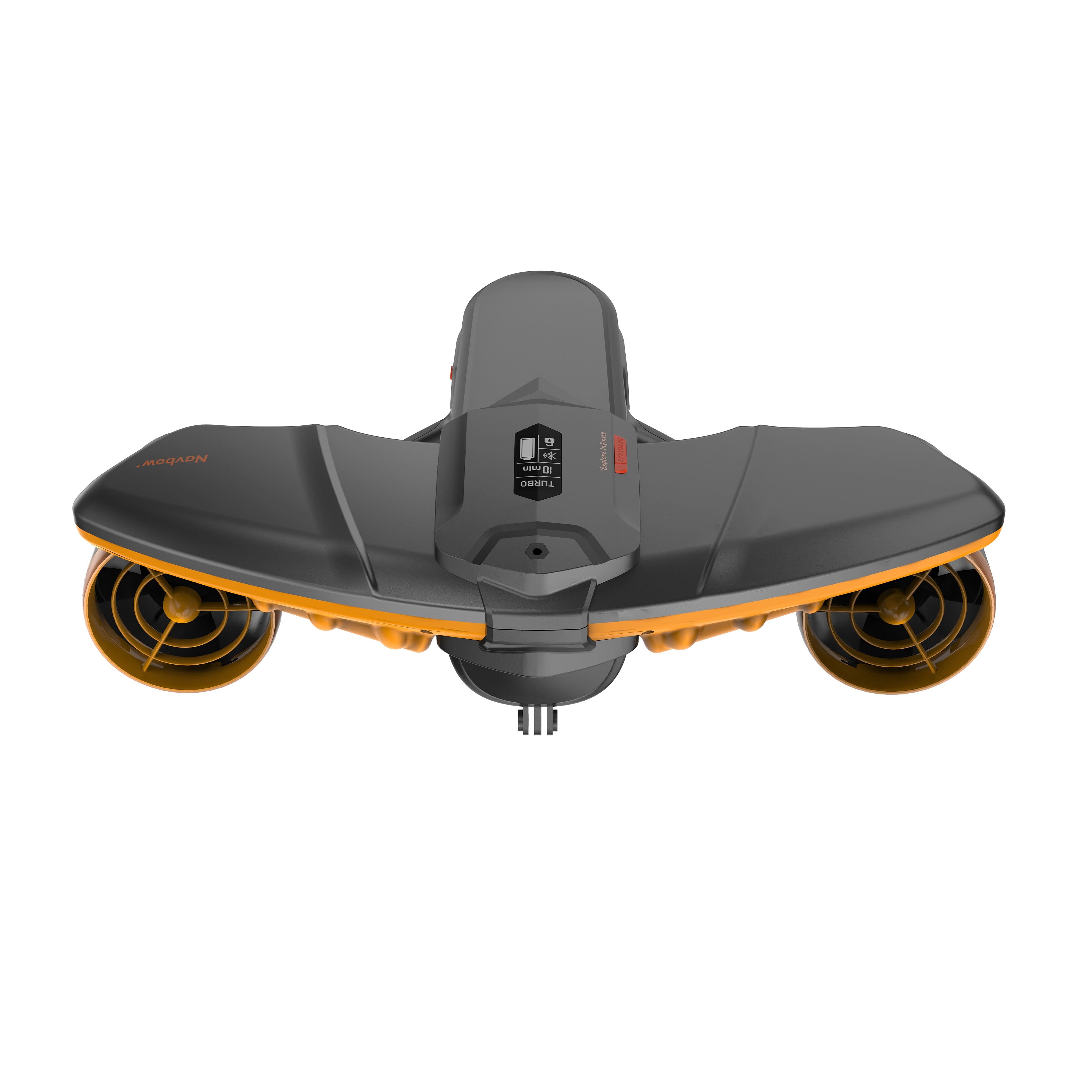
Sublue
Navbow+
- Max Depth40 m / 131 ft
- Speeds2.24 / 3.36 / 4.47 mph
- Run TimeUp to 60 min*
- Rating4.3★ (24 reviews)
- Price$1,199 (Aug 2026)
View on Amazon →
⚠ Affiliate link. We may receive commission on purchases. See disclosure.
Sublue
Navbow
- Max Depth40 m / 131 ft
- Speeds1 / 1.5 / 2 m/s
- Run TimeUp to 60 min*
- Rating4.4★ (17 reviews)
- Price$999 (Aug 2026)
View on Amazon →
⚠ Affiliate link. We may receive commission on purchases. See disclosure.
Asiwo
Underwater Scooter
- Max Depth40 m / 131 ft
- MotorsDual
- Rating4.1★ (133 reviews)
- Price$399 (Aug 2026)
View on Amazon →
⚠ Affiliate link. We may receive commission on purchases. See disclosure.
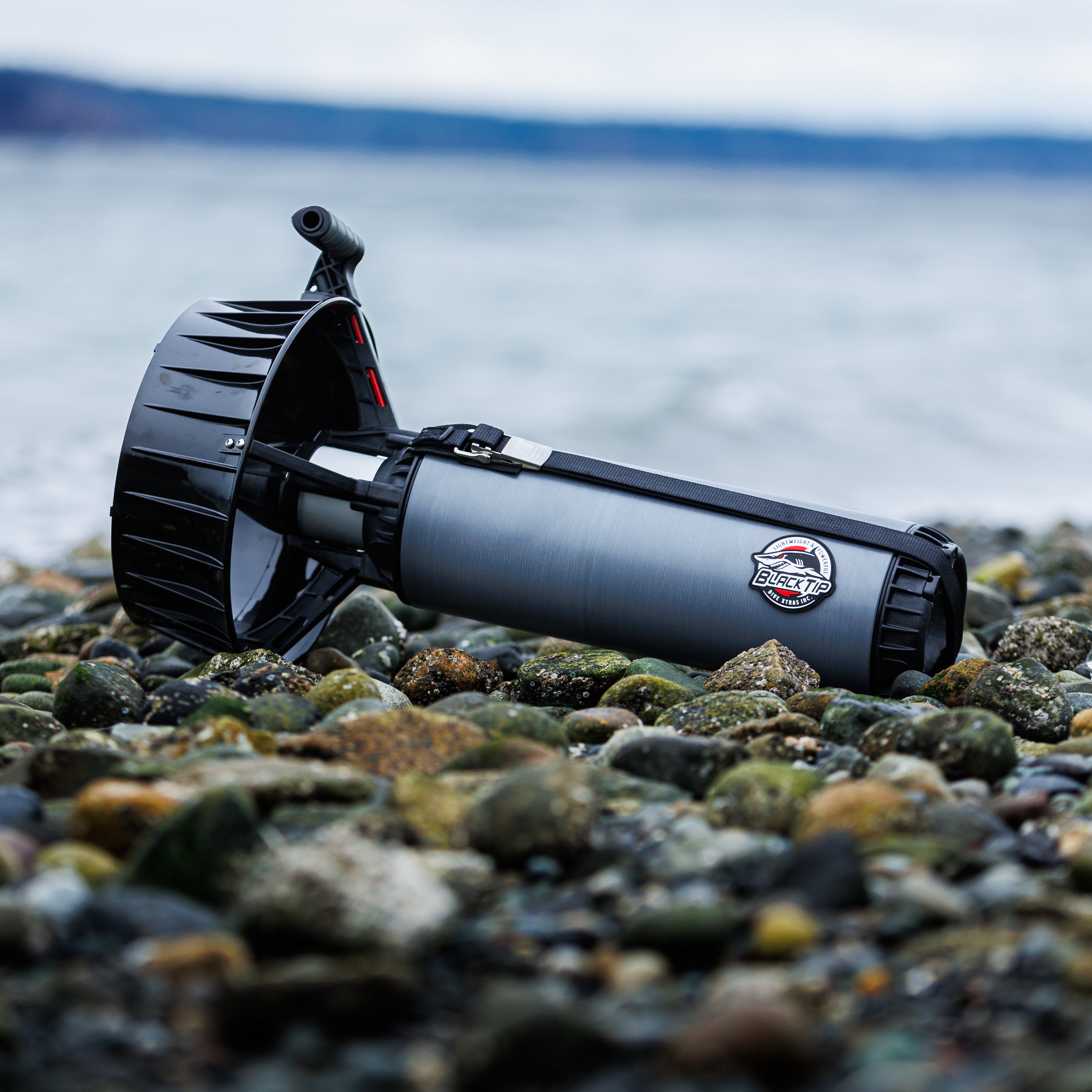
Dive Xtras
BlackTip
- Max Depth100 m
- Run TimeUp to 180 min
- Top Speed~2.3 m/s
- BodyAluminium / Carbon
- BatteryModular Li-Ion
* Manufacturer-rated maximum; intermittent-vs-continuous breakdown not independently verified this pass.