Choosing the best diver propulsion vehicle depends on how you dive. A snorkeller or holiday diver needs a lightweight, affordable sea scooter that is easy to pack and simple to operate. An open-water certified diver benefits from a mid-range DPV with longer battery life and genuine depth ratings. A technical or cave diver requires a field-serviceable aluminium or carbon unit rated to 100 metres or more — with the certification to match.
The seven models below are organised by price tier and matched to the diver profile each one serves best. Every DPV was selected on four criteria: depth rating, battery runtime at real-world speeds, build quality, and whether the unit is field-serviceable. If you need the full technical background on how DPVs work, start with our complete diver propulsion vehicle guide.
The Sublue WhiteShark Mix (~$170) and Yamaha Seascooter RDS280 (~$380) are the top budget sea scooter picks for 2026 — delivering 40–60 minutes of reef diving capability within airline-compliant Li-ion battery limits. Both are rated to 40m, require a PADI DPV Specialty or equivalent, and are built for open-water recreational use only. Not suitable for overhead environments. If you are looking for the best sea scooter under $400, these three models offer the strongest combination of runtime and depth rating at the entry level.
The Sublue Tini is the top mid-range DPV pick for 2026 — 60m depth rating, airline-approved Li-ion battery, ~60 minutes run time, and a 2.4 kg travel-friendly form factor deliver a meaningful step up from budget recreational units. The mid-range tier bridges recreational and technical diving needs, with reinforced bodies offering meaningful durability improvements over entry-level sea scooters, though still not rated for overhead environments without appropriate certification.
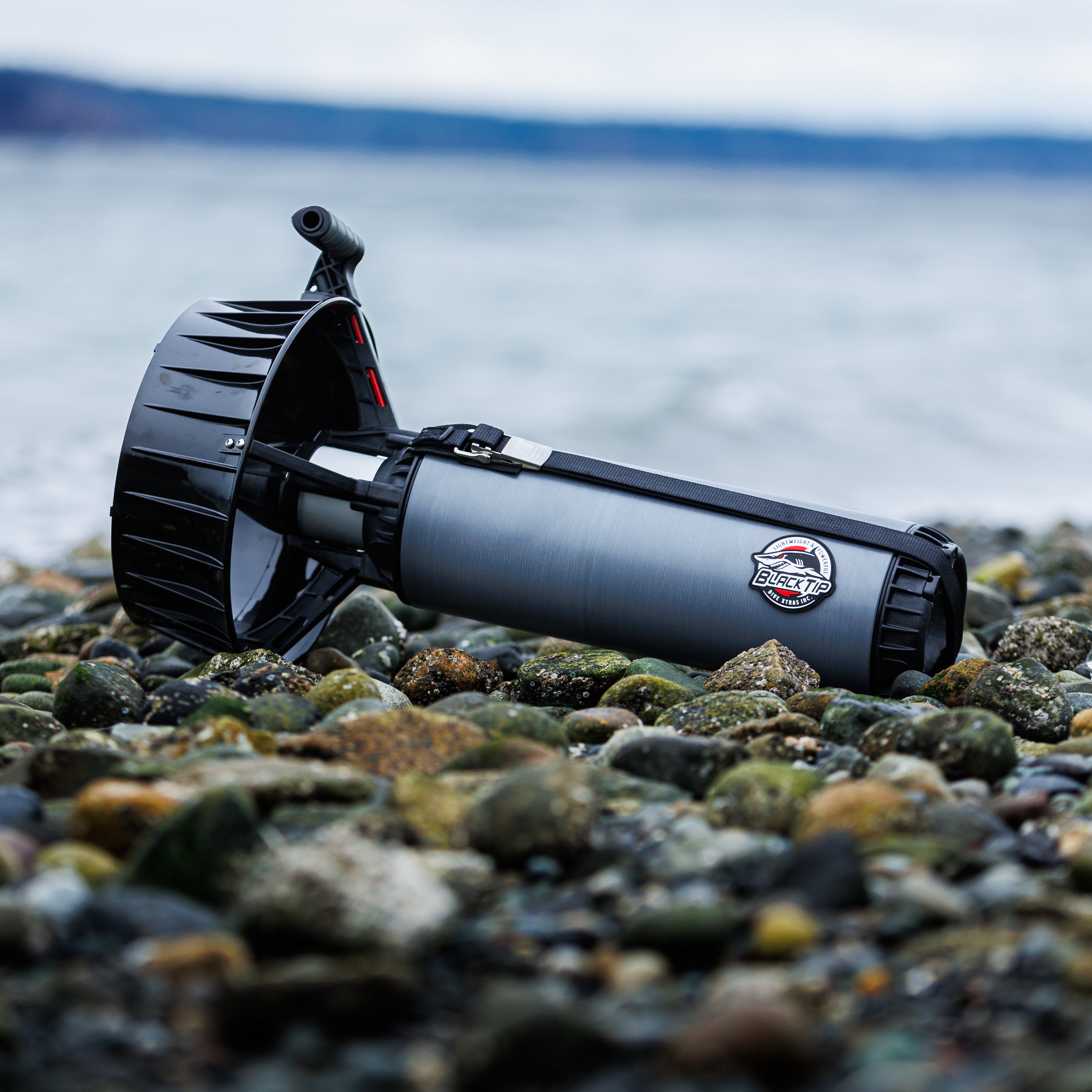
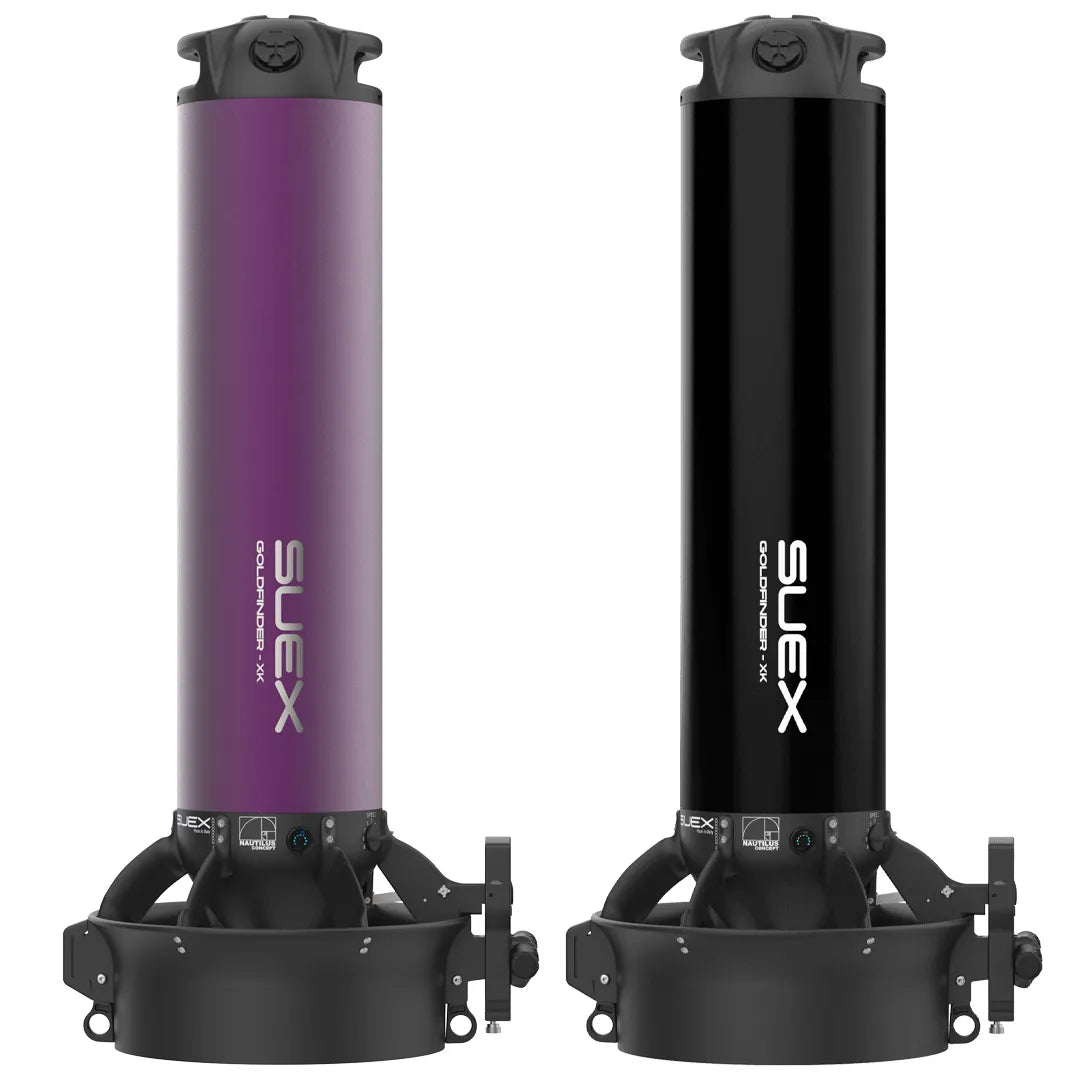
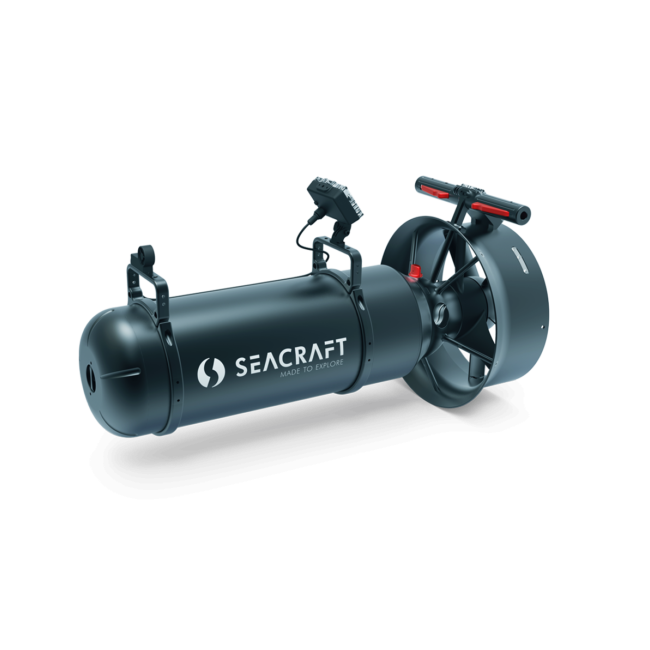
The Dive Xtras BlackTip is the North American benchmark for technical cave and decompression diving DPVs; the Suex XK1 and Seacraft Ghost represent the European and global gold standards. All three are aluminium or carbon fibre construction, field-serviceable, rated to 100m or more, and designed for divers with overhead environment certification. For a detailed breakdown of cave-specific requirements and models, see our cave diving DPV guide.
Seven DPVs across three tiers — from the $170 Sublue WhiteShark Mix to the Seacraft Ghost at $4,000+ — compared on max depth, run time, top speed, battery, and approximate price. Use the table to shortlist models that match your certification level and budget, then verify specifications with the manufacturer before purchase.
Complete specifications across all 7 reviewed models and three tiers. Whether you are looking for the best underwater scooter for holiday snorkelling or a technical DPV for overhead environments, the table below compares every model side by side.
| Model | Brand | Tier | Max Depth | Run Time | Top Speed | Battery | Approx. Price |
|---|---|---|---|---|---|---|---|
| WhiteShark Mix Pro | Sublue | Recreational | 40 m | ~60 min | 1.8 m/s | Li-Ion (airline ✓) | ~$170 |
| Seascooter RDS280 | Yamaha | Recreational | 30 m | ~60–90 min | 1.8 m/s | Sealed Lead Acid (not airline compliant) | ~$380 |
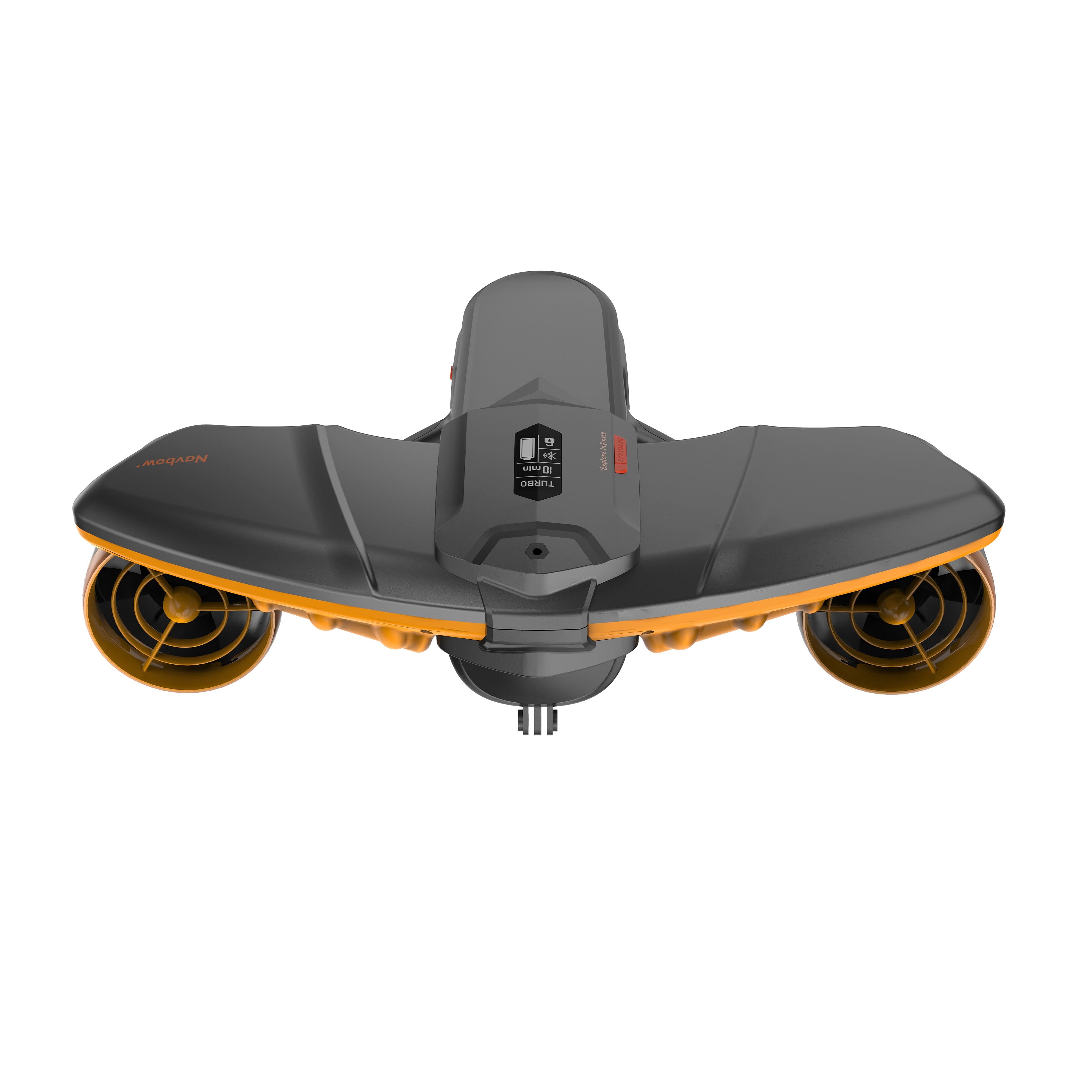
| Navbow+ | Sublue | Recreational | 40 m | ~50 min | 1.5 m/s | Li-Ion (airline ✓) | ~$350 |
| Tini 2 | Sublue | Mid-Range | 60 m | ~45 min (75 min with extended battery) | 1.5 m/s | Li-Ion (airline ✓) | ~$600 |
| BlackTip | Dive Xtras | Technical | 100 m | Up to 180 min | ~2.3 m/s | Modular Li-Ion | ~$3,000 |
| XK1 | Suex | Technical | 100 m | Up to 200 min | 2.5 m/s | High-density Li-Ion | ~$3,500 |
| Ghost | Seacraft | Technical | 150 m | Up to 240 min | 2.5 m/s | High-density Li-Ion | ~$4,000+ |
Read our complete DPV guide — covering history, hardware tiers, certification requirements, and how to choose the right DPV for your dive objectives.
Read the Complete DPV Guide →Independent editorial. Affiliate disclosures apply — see footer.